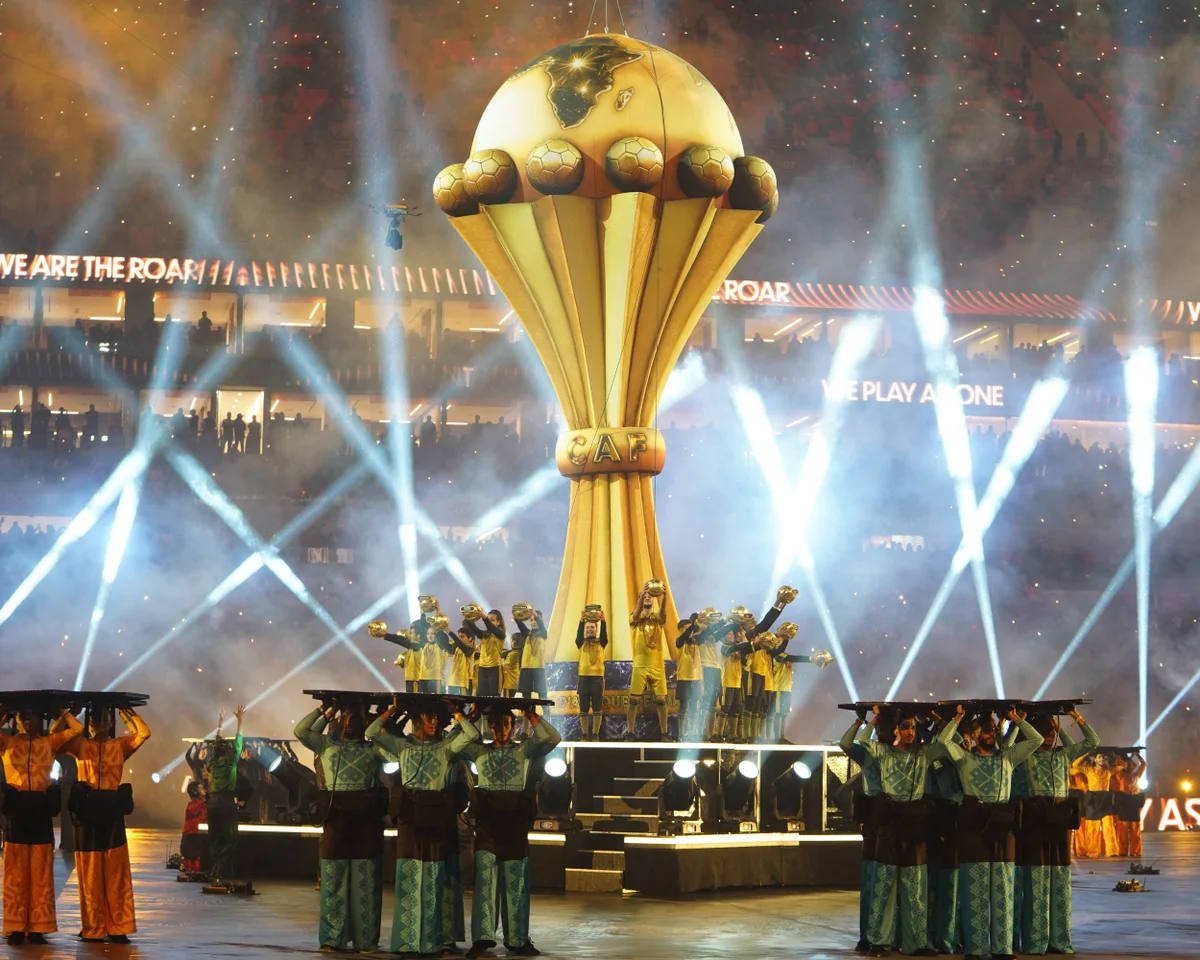
The Africa Cup of Nations (AFCON), first held in 1957, has grown from a three-team founding competition into one of the most closely watched international tournaments in world football, driven in large part by the growing number of African players starring at the highest level of European club football.
The club-versus-country tension
AFCON's growth has come with a persistent tension unique among major international tournaments: because it is traditionally played during the European club season, it regularly pulls star players away from their clubs at a competitively important point in the year. This has, at times, created friction between European clubs and African federations, and is part of why the tournament's exact scheduling has been a recurring subject of debate among administrators.
A tournament that rewards tactical variety
Unlike some continental championships where a small handful of nations dominate almost every edition, AFCON has a notably wide spread of past winners, reflecting real depth of tactical and technical talent across the continent rather than concentration in one or two dominant footballing nations. That unpredictability is frequently cited by pundits as one of the tournament's most attractive qualities compared to some more predictable continental championships elsewhere.
Growing global viewership
As more African players have become first-team regulars — and in many cases genuine stars — at leading European clubs, international broadcast interest in AFCON has grown substantially. What was once treated by some European media as a peripheral competition is now widely covered and closely analysed, a shift that tracks almost exactly with the rising profile of African talent across the continent's biggest leagues over the past two decades.