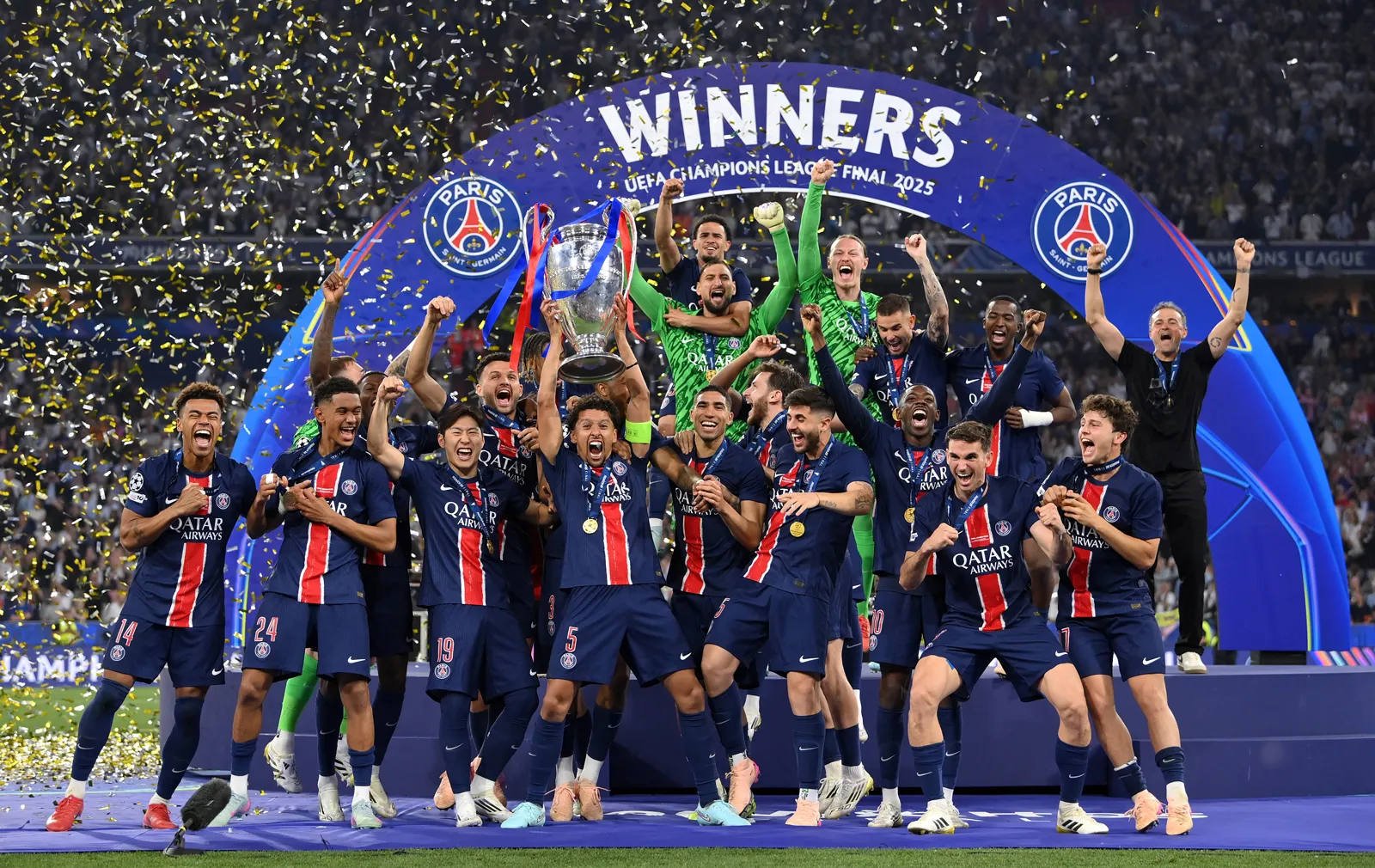
It's a claim that still divides football fans: that the UEFA Champions League, not the World Cup, is now the most difficult trophy in the sport to win. The argument rests on a few specific structural differences between club and international football.
Squad depth and preparation time
National teams assemble for only a handful of weeks a year, often with players arriving from different leagues, different tactical systems, and different fitness regimes. Club sides, by contrast, train together for most of the year under a single coaching staff, allowing far more tactical refinement than any international manager can realistically achieve in a short pre-tournament camp.
The financial gap widens the talent gap
The biggest European clubs can assemble squads that concentrate elite talent at a level no single nation — even a large, footballing-obsessed one — can match on its own. A Champions League knockout tie can realistically pit a squad containing players from a dozen different countries against another equally stacked side, a depth of individual quality that most international squads simply cannot replicate.
A longer, more gruelling path
Winning the Champions League requires success across a demanding season-long format — a league phase followed by multiple two-legged knockout rounds — layered on top of a club's normal domestic fixture list. Proponents of the 'tougher trophy' argument point out that this format tests squad depth and consistency over many months, in a way a single, shorter international tournament, however prestigious, structurally cannot.
The counter-argument
Defenders of the World Cup's supremacy point to something the Champions League cannot replicate: representing an entire nation, in a tournament held once every four years, watched by a genuinely global audience larger than any club competition draws. That singular scarcity and symbolic weight is, for many players and fans alike, still worth more than any argument about squad depth — which is precisely why this particular debate has never been fully settled.