Crowd noise is often treated as atmosphere rather than a genuine competitive factor, but studies of refereeing decisions and player performance suggest it has a measurable effect on matches — and stadium architecture plays a bigger role in that than most fans realise.
Why some stadiums are simply louder
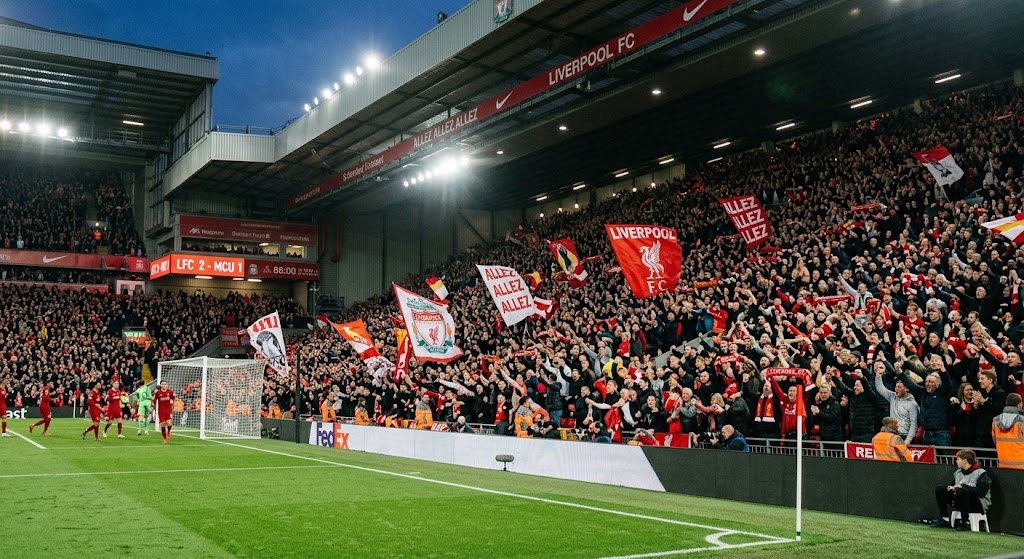
Sound doesn't just depend on how many fans are shouting; it depends on where that noise goes. Stadiums with steep, close stands and a roof structure that traps sound tend to register far higher decibel levels than open, shallow-bowl designs, even with similar attendance figures. This is a large part of why certain famous, older stadiums with tight, vertical stands have a reputation for intensity that some newer, larger arenas — built more for comfort and sightlines than acoustics — struggle to match.
The effect on refereeing decisions
Research into home advantage has repeatedly found that referees, likely subconsciously, award fewer fouls against the home team and add more injury time when the home side is behind, in stadiums with louder, closer crowds. The effect isn't about conscious bias — it's a well-documented example of how ambient social pressure can subtly influence split-second decisions, even for highly trained officials.
Why some clubs deliberately engineer it
Aware of this effect, some clubs have specifically designed stand renovations to maximise noise — steepening upper tiers, adding covered roofs, and positioning the most vocal supporter sections close to the pitch rather than in upper corners. It's a small but telling example of a football club treating crowd noise not just as tradition, but as a genuine tactical asset worth designing for.