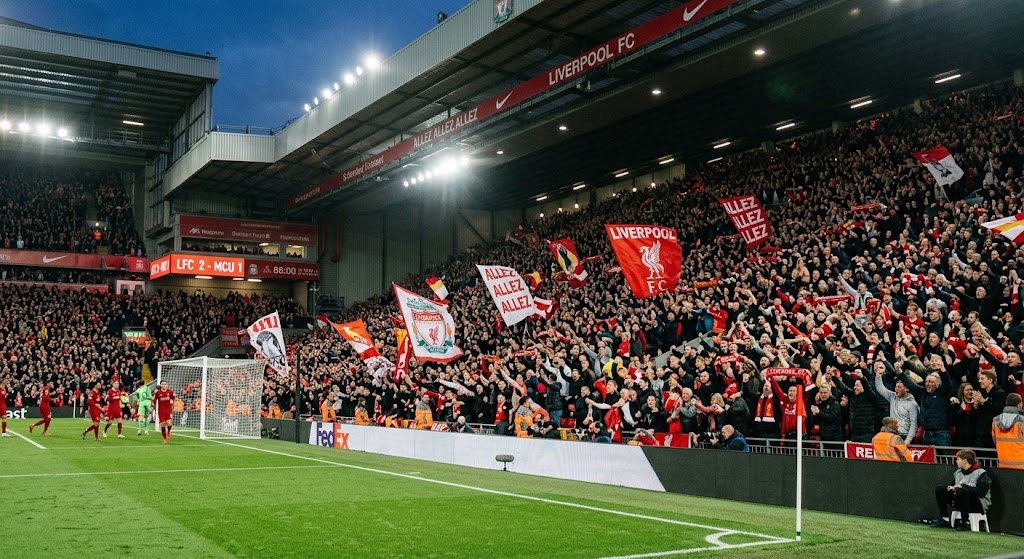
It's easy to take the modern all-seater football stadium for granted, but its design is a direct response to a series of disasters that forced the sport to confront how dangerous poorly regulated standing terraces had become.
The terraces of the mid-20th century
For most of the 20th century, the majority of fans at a football match stood on open, sloped terraces, often packed far beyond any figure that would be considered safe today. Crush barriers existed but were inconsistently maintained, and there was little standardised regulation of how many supporters a given terrace could safely hold.
A pattern of disasters
Across the 1970s and 1980s, several major stadium disasters in Europe — involving crowd crushes and structural failures — killed and injured supporters in numbers that eventually made continued inaction impossible for governing bodies and governments alike. Public inquiries following these events repeatedly identified the same underlying issues: overcrowding, inadequate crush barriers, poor crowd management, and stadiums that had not been meaningfully modernised in decades.
The shift to all-seater stadiums
The most consequential outcome was the move toward all-seater stadiums, mandated in top-flight English football from the early 1990s and gradually adopted, in various forms, across much of European football. Fixed seating, clearer capacity limits, and improved segregation and stewarding fundamentally changed how crowds were managed. Modern stadium design now treats crowd flow — how supporters enter, move through concourses, and exit safely — as a core architectural consideration from the earliest planning stages, not an afterthought bolted on once the stands were built.
It's a sobering piece of football history, but an important one: much of what fans now consider a normal, comfortable matchday experience exists specifically because previous generations of supporters were let down by grounds that were never built to keep them safe.