For most of football's history, a drawn knockout match simply meant playing again. Early World Cups used full replays when scores were level after extra time, a solution that worked reasonably well when tournaments were smaller but became impractical as the competition grew and broadcast schedules tightened.
Before the shootout
Some earlier tie-breaking methods sound almost unbelievable today. In lower-stakes competitions, officials occasionally resorted to a coin toss to decide a level match — a method FIFA formally abandoned once fairer alternatives were adopted, but not before it decided at least one real international outcome.
The penalty shootout was introduced to the World Cup in 1978 and used for the first time at the tournament in the 1982 semi-final between West Germany and France, a match still regarded as one of the most dramatic in the competition's history. It quickly became the standard method for settling deadlocked knockout matches at every level of the sport.
The golden goal experiment
Between the mid-1990s and 2004, football experimented with the golden goal rule, ending extra time the instant either team scored. The idea was to reward attacking football and discourage the cautious, shootout-seeking approach some teams adopted in extra time. In practice, the opposite tended to happen: teams grew even more conservative, terrified of the instant, irreversible cost of a single mistake. FIFA and UEFA phased the rule out by the mid-2000s, and extra time returned to its traditional two-halves format.
Why penalties endured
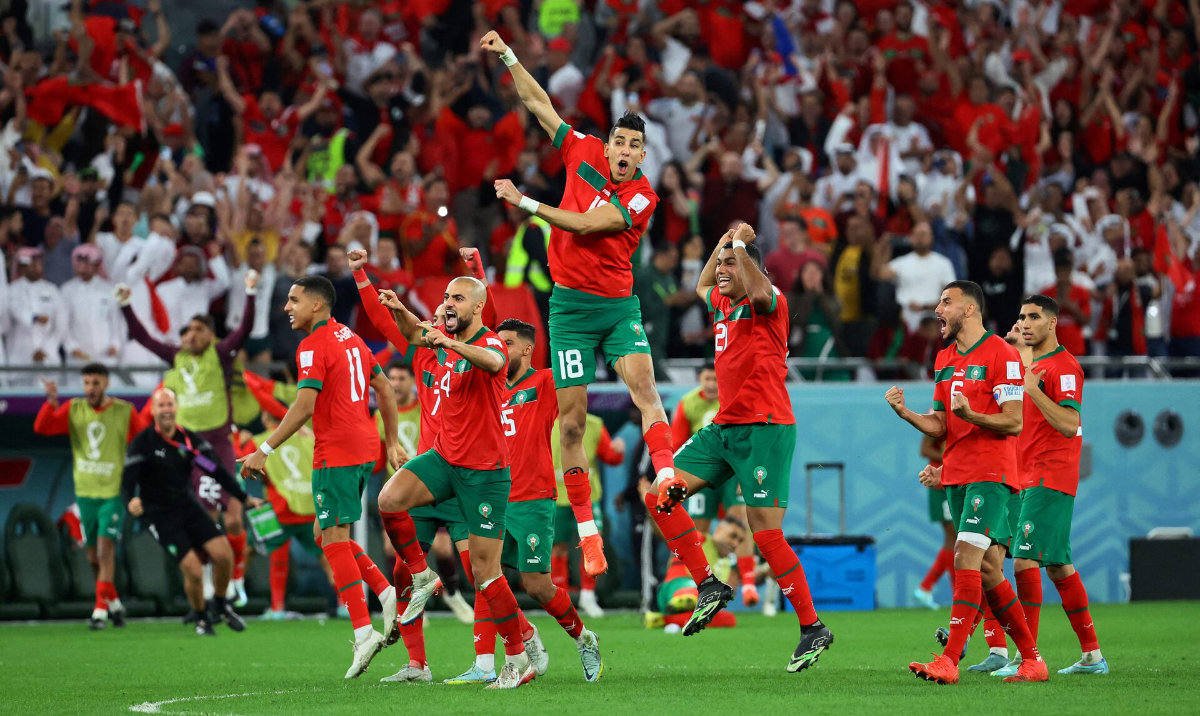
Despite decades of debate about the fairness of settling a 120-minute match with a handful of spot kicks, no alternative has displaced the shootout. It is fast, television-friendly, and — unlike a coin toss — still rooted in a footballing skill, even if that skill is tested under extreme psychological pressure rather than open play. Goalkeeper coaching has evolved specifically around this moment, with modern goalkeepers now studying penalty-taker tendencies in as much detail as outfield players study an opponent's defensive shape.