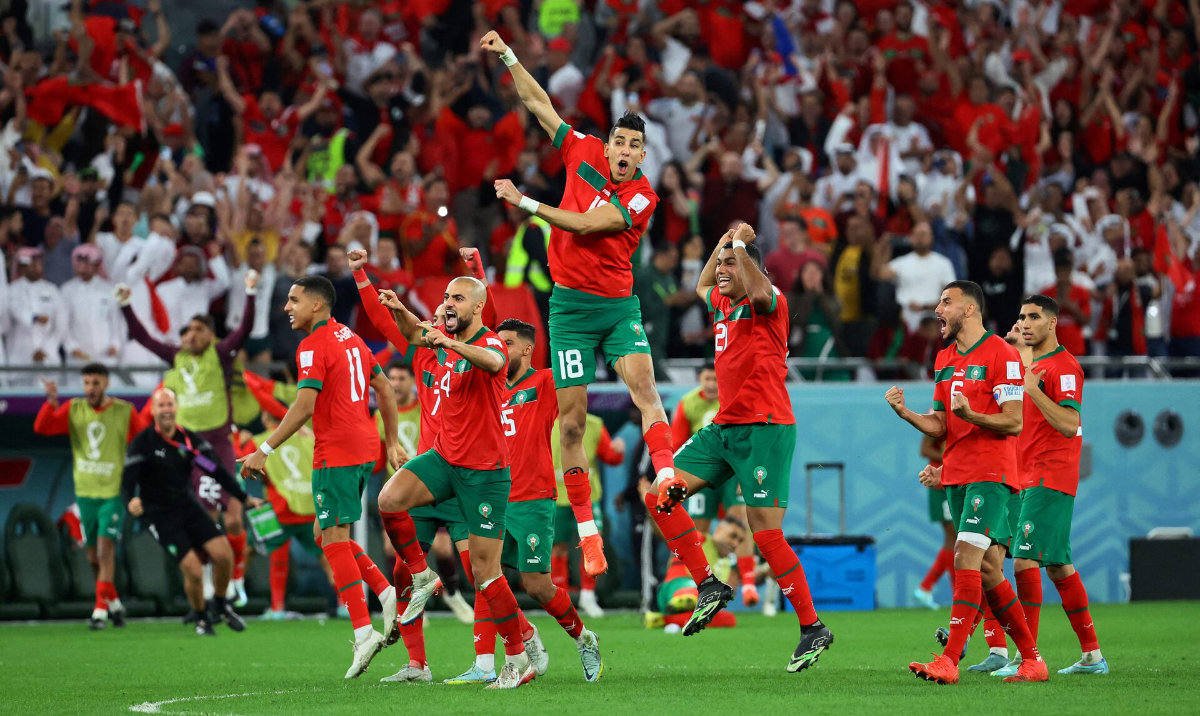
Football's biggest tournament is, on paper, a fairly predictable event. Squads assembled from the world's richest leagues tend to go furthest, and betting markets are rarely surprised by who reaches a semi-final. And yet, roughly once a decade, a team arrives with none of those advantages and rewrites the story anyway.
What underdog runs actually have in common
Looking back across tournaments, the teams that overachieve share a small set of traits rather than luck alone.
- A settled defensive shape. Underdog teams rarely try to out-attack stronger opponents. They organise a compact, well-drilled defensive block first and accept less possession.
- A goalkeeper playing the tournament of his life. Almost every surprise run features a goalkeeper making saves well above his career average — often the single biggest factor separating a good run from an early exit.
- Set-piece efficiency. With fewer clear-cut chances in open play, corners and free kicks become disproportionately important, and well-drilled routines convert a higher share of them.
- A short, focused squad culture. Smaller footballing nations often bring a tighter group with less rotation, which can translate into stronger on-pitch understanding by the knockout stage.
Why it doesn't happen every tournament
The conditions above are fragile. A single injury to a key goalkeeper or centre-back can unravel a defensive-first gameplan completely, which is part of why these runs feel rare rather than repeatable. Stronger squads can also absorb a bad day and still win; underdog teams generally cannot.
There is also a scheduling element that gets less attention: shocks are more common in group stages and early knockout rounds than in finals. Reaching a semi-final against the tournament favourites is where these runs typically meet their limit, since sustaining a low-event, defence-first gameplan across seven matches against progressively stronger opposition is extraordinarily difficult.
What makes these stories endure in football's memory is not just the result but the method — proof that a well-organised, unified group can, for a short and unrepeatable stretch, out-plan opponents with far more individual talent.