Formations look like fixed diagrams on a whiteboard, but each one was really a solution to a specific problem of its era. Understanding that history explains why the game looks the way it does today.
The 2-3-5 and the WM
Early football was played in extremely attack-heavy shapes, most famously the 2-3-5, which packed five forwards across the pitch. A change to the offside law in 1925 made it far easier for attackers to be played through, and defences were being overrun. Herbert Chapman's response at Arsenal was the WM formation, pulling a central midfielder back into defence to create a back three and reshaping the midfield into a diamond. It dominated football for the next two decades.
Catenaccio and the back three
Italian football in the 1960s produced catenaccio — literally 'door-bolt' — built around a deep-lying sweeper positioned behind the main defensive line to mop up anything that got through. It was, at heart, a defensive insurance policy, and it made Italian club sides extremely difficult to break down through the mid-20th century.
Total Football and positional fluidity
The Dutch teams of the 1970s introduced something structurally different: Total Football, where any outfield player could move into any position, with teammates rotating to cover the vacated space. It required extraordinary tactical intelligence from every player on the pitch, and its ideas quietly underpin much of how elite academies coach positional awareness today.
The back four becomes standard
By the 1980s and 90s, the 4-4-2 and its variants had become the default across most of Europe, offering a balance between defensive solidity and attacking width that suited increasingly athletic, well-conditioned players.
Possession-based systems
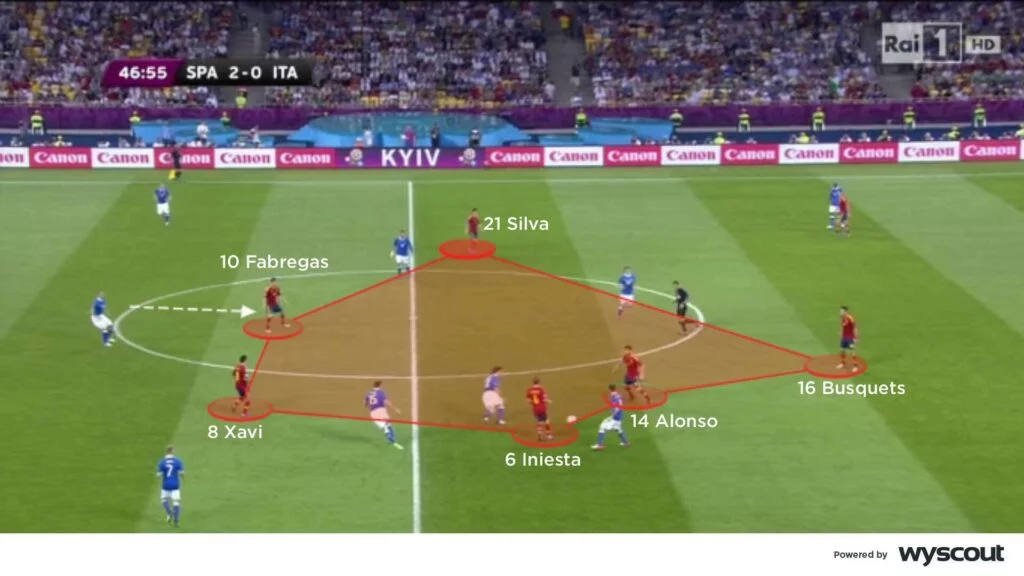
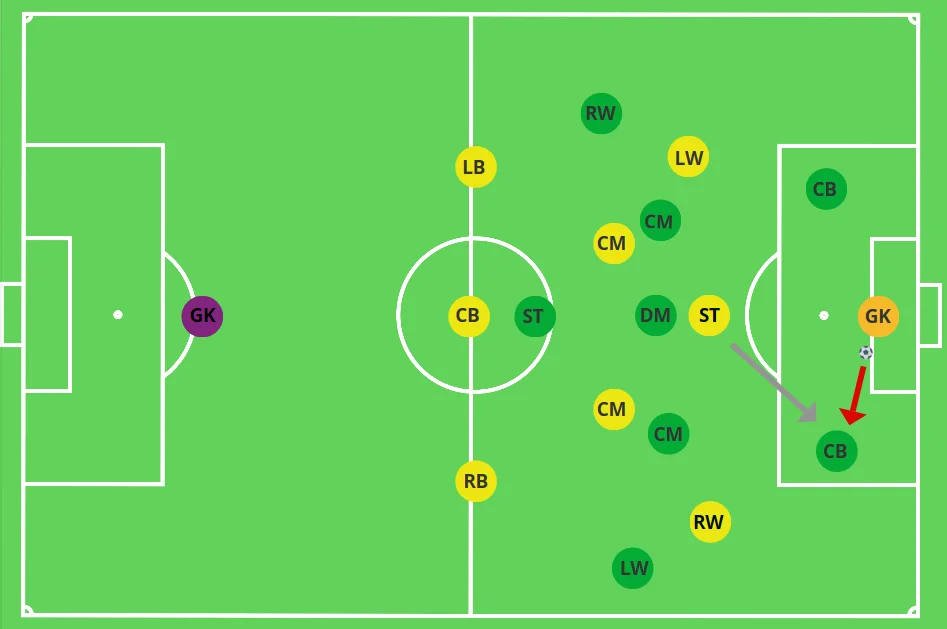
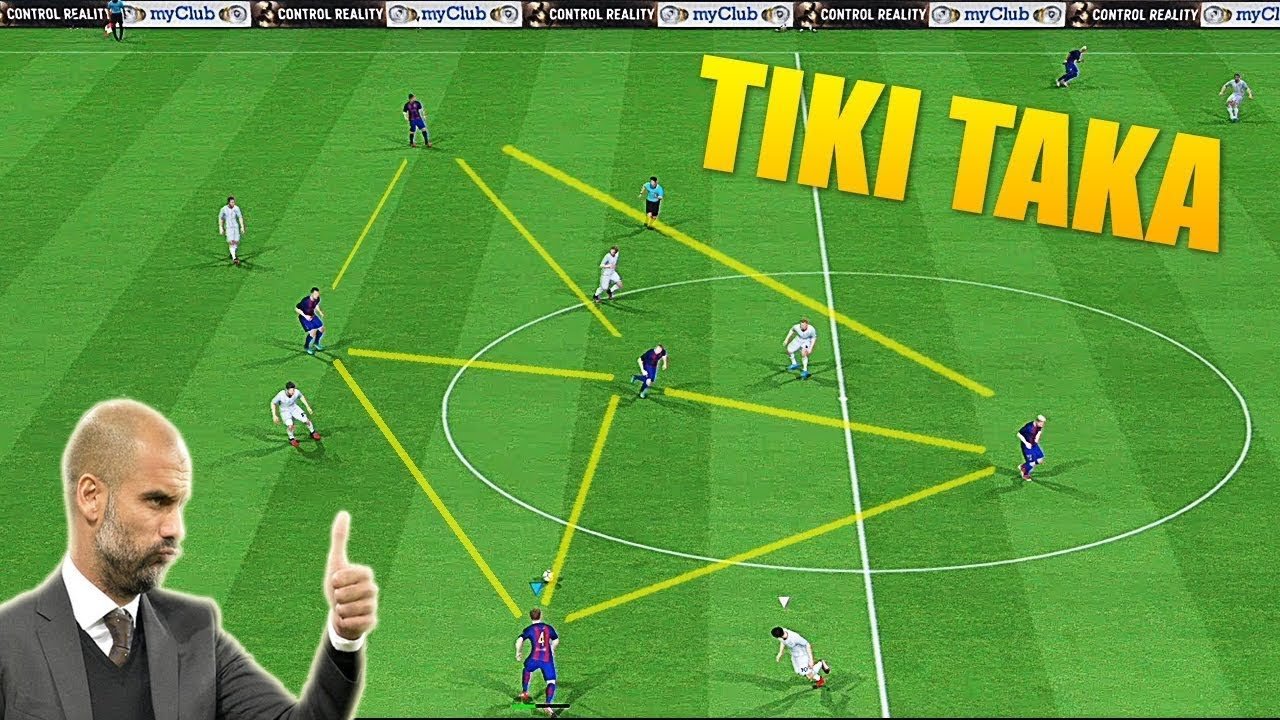
The 2000s and 2010s saw formations become less about fixed shapes and more about principles — pressing triggers, passing structures, and positional rotations. Spain's tiki-taka and the broader rise of possession-based football treated formation numbers almost as a starting reference rather than a rigid grid, with teams fluidly shifting between a back three and back four depending on whether they had the ball.
What ties every era together is the same underlying logic: a formation is never really about the numbers on the sheet. It is a team's answer to whatever the strongest opponents of that decade were doing well.