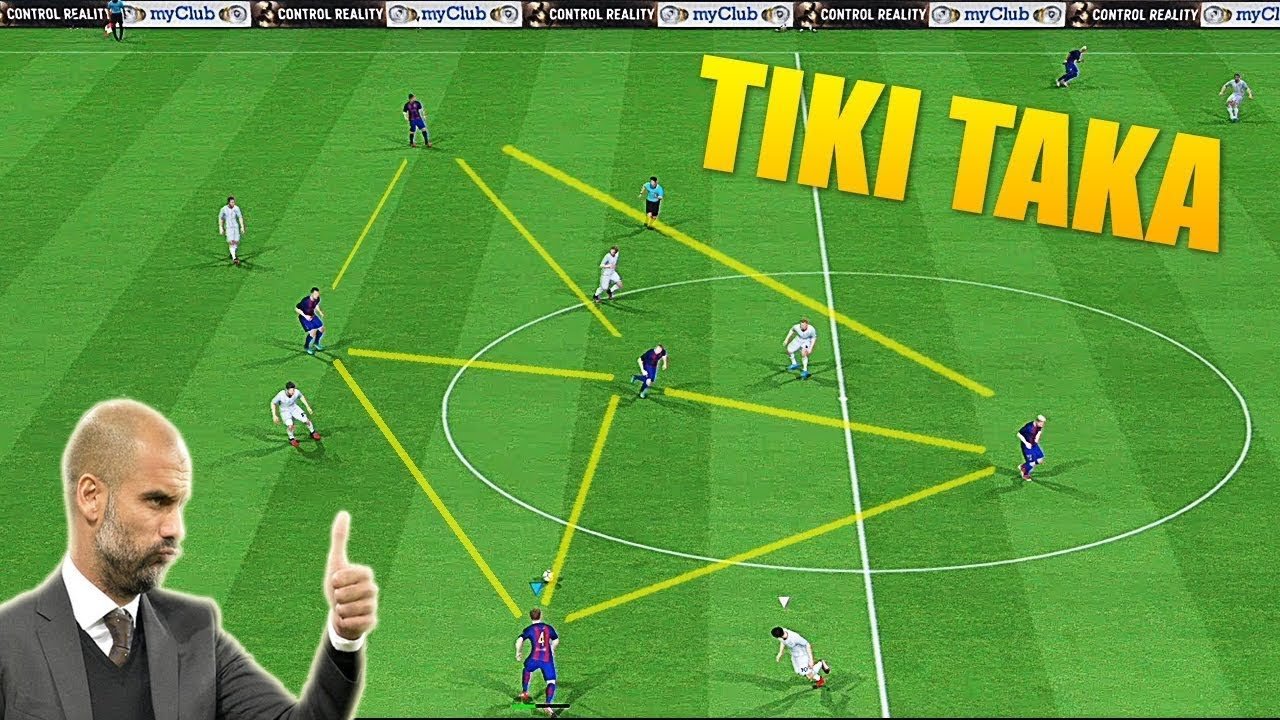
A false nine is, on the surface, a simple idea: a forward who drops deep into midfield rather than staying on the last defensive line. What makes the role effective is not the movement itself, but the decision it forces the opposition to make.
The problem it creates
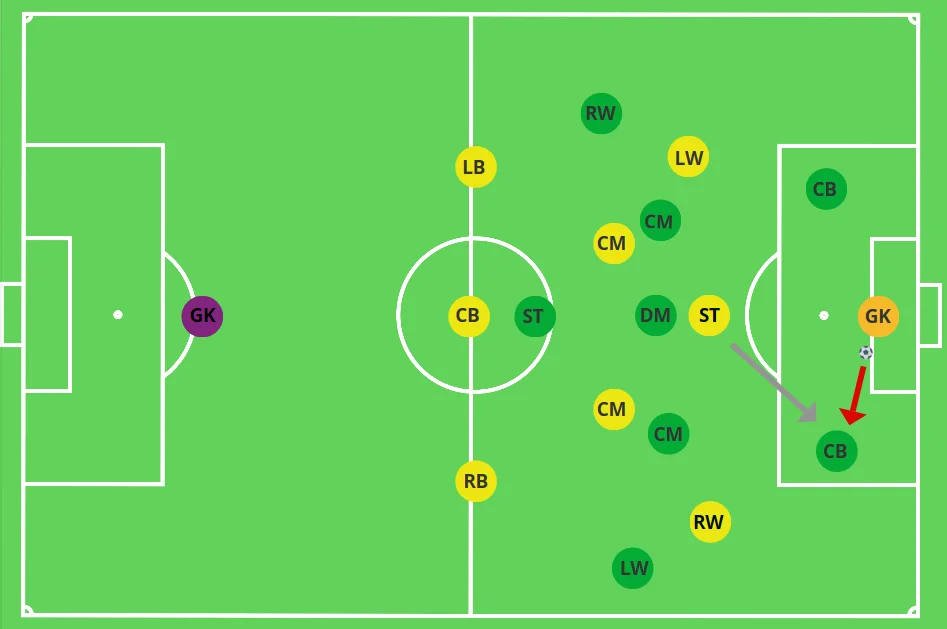
Centre-backs are trained to mark the player in front of them. When a striker drops into midfield, a defender has two uncomfortable choices — follow the forward out of the defensive line, or hold position and let him receive the ball unmarked. Neither is ideal. Following creates a gap behind the defence that wingers or midfielders can exploit with a well-timed run. Staying put hands the false nine time and space to turn and create.
Why it works better with the right supporting cast
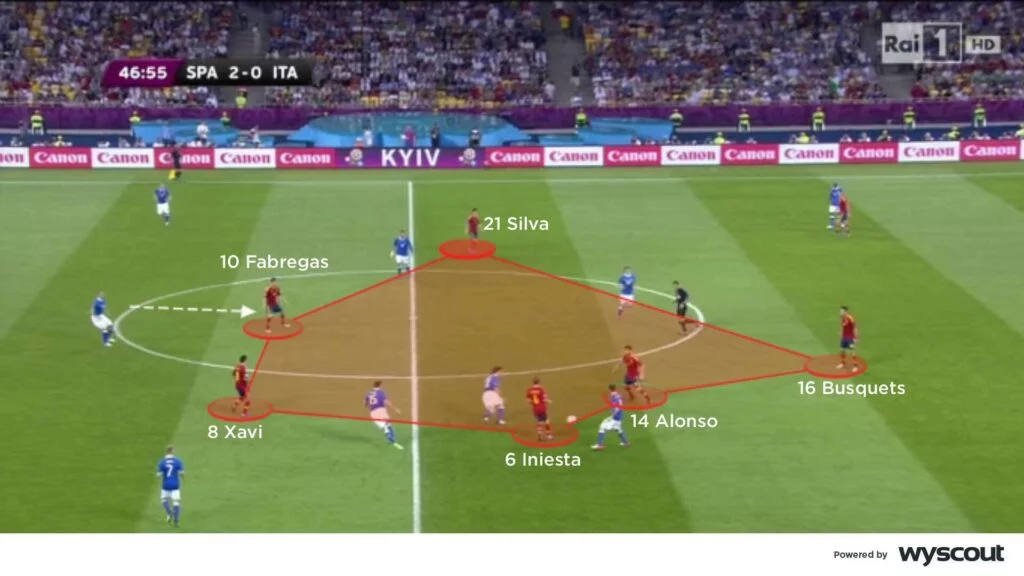
The role only functions properly when teammates understand the space it opens. If wide attackers or midfielders don't recognise the gap a false nine's movement creates, the tactic just becomes a striker playing out of position with no one running beyond him. That's why the most famous false nine systems — most notably at Barcelona in the late 2000s — paired the role with attacking midfielders and wingers specifically coached to time late runs into the vacated central space.
Not the same as a deep-lying forward
It's worth separating a true false nine from a forward who simply likes to drop deep for the ball. The distinguishing feature of the false nine role is the coordinated reaction of the rest of the team — the movement is only tactically meaningful because it's paired with runners exploiting the space it creates.
In short: a false nine isn't really about where the striker stands. It's about which defender has to make an uncomfortable decision, and what happens in the space they leave behind when they get it wrong.