For most of football's history, a goalkeeper's job was narrowly defined: stop the ball from crossing the line, and distribute it as quickly as possible once you had it. The rise of the sweeper-keeper changed that job description almost completely.
The back-pass rule as a turning point
A major, underappreciated trigger for this shift was a law change in 1992 that banned goalkeepers from picking the ball up with their hands from a deliberate back-pass. Before the rule, defenders under pressure could simply roll the ball back to a keeper who would collect it safely and waste time. After the change, goalkeepers suddenly needed to control and pass the ball under pressure using their feet — a skill that had never been a serious part of goalkeeper training before.
From shot-stopper to extra defender
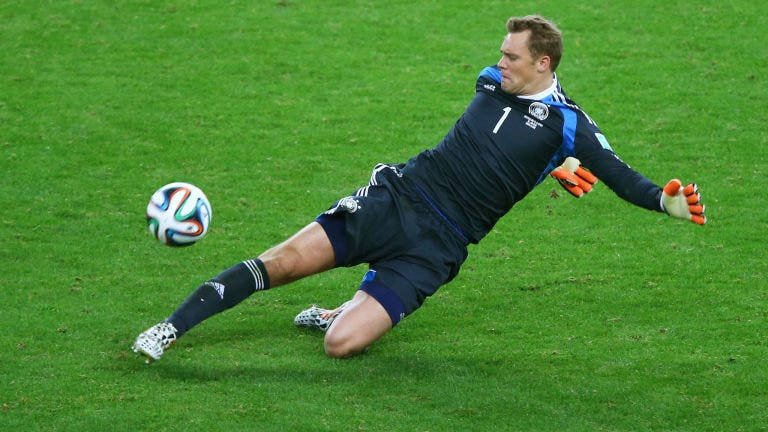
As teams began pressing higher up the pitch through the 1990s and 2000s, defences started playing a higher defensive line to compress space. That created a new problem: balls played over the top into the space behind the defence. Goalkeepers increasingly needed to act as an emergency last defender, rushing well outside the penalty box to clear danger — a role that simply didn't exist in earlier eras of deeper defending.
Distribution as a tactical weapon
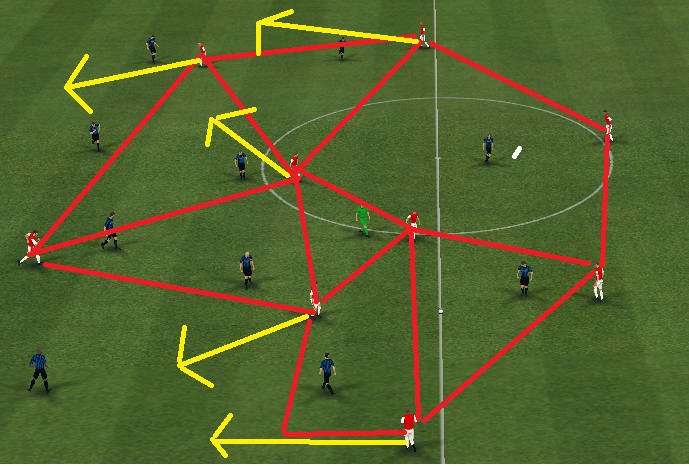
The modern sweeper-keeper role goes further still. Elite goalkeepers are now often the player who starts a team's build-up phase, splitting the centre-backs or dropping into midfield to create an extra passing option under pressure. This turns the goalkeeper from a purely reactive position into an active part of a team's possession structure — a responsibility that would have been almost unthinkable for a keeper coached in the mid-20th century, when the job began and ended with keeping the ball out of the net.